Best Oyster Bars in Cape Town: Experience Premium Oysters at V&A Waterfront
Cape Town has emerged as a culinary destination of remarkable sophistication, with its position on the Atlantic coast and proximity to premium seafood sources creating an ideal environment for oyster-focused dining. For those seeking fresh, impeccably-sourced oysters served in sophisticated settings, Cape Town offers experiences that rival the world's finest oyster destinations.
This guide explores Cape Town's premier oyster dining, with particular attention to the Knysna Oyster Company's acclaimed establishment at the V&A Waterfront—a venue that has become synonymous with premium oyster excellence in South Africa. Whether you're a seasoned oyster connoisseur or discovering oysters for the first time, Cape Town's oyster bars offer unforgettable experiences combining exceptional food, stunning settings, and genuine hospitality.
Why Cape Town for Oyster Dining?
Cape Town's emergence as an oyster destination isn't coincidental—several factors converge to create ideal oyster dining conditions.
Geographic Proximity to Premium Oyster Sources
The proximity to Nelson Mandela Bay and other South African oyster cultivation regions means oysters reach Cape Town restaurants in optimal condition. Oyster farms deliver harvest-fresh oysters, often within 24 hours of collection. This freshness advantage is substantial—oysters consumed hours after harvest taste noticeably superior to those transported over long distances.
Culinary Culture and Sophistication
Cape Town has cultivated a food culture that appreciates quality, sustainability, and authentic culinary traditions. This culture supports venues focused on showcasing premium ingredients in straightforward, elegant preparations—the oyster bar concept thrives in such an environment.
Wine Pairing Opportunities
South African wines, particularly crisp whites from the Western Cape, provide outstanding oyster pairings. Cape Town's proximity to Constantia, Stellenbosch, and other premium wine regions creates natural synergies between oyster dining and wine appreciation. Many oyster bars feature curated wine lists highlighting local producers.
Tourism and Cosmopolitan Character
As a major tourism destination with cosmopolitan residents and visitors, Cape Town supports venues serving diverse palates while maintaining sophisticated standards. This environment encourages restaurants to invest in quality and presentation.
The Knysna Oyster Company at V&A Waterfront: Cape Town's Premier Oyster Destination
The Knysna Oyster Company's location at the V&A Waterfront represents the gold standard for oyster dining in South Africa. This establishment deserves particular attention for how it exemplifies excellence in oyster service and hospitality.
Location and Setting
Nestled in the iconic V&A Waterfront development, one of Cape Town's most visited destinations, the Knysna Oyster Company enjoys a location that combines accessibility with sophistication. The waterfront setting—surrounded by harbor views, upscale retail, and complementary dining venues—creates an elegant backdrop for oyster dining.
The venue's location also reflects deep agricultural roots. The V&A Waterfront's historic connection to Cape Town's maritime heritage aligns perfectly with the Knysna Oyster Company's mission of celebrating South African seafood traditions.
From Farm to Table Philosophy
The Knysna Oyster Company operates with a genuine farm-to-table philosophy. Oysters arrive from family-owned cultivation operations in Nelson Mandela Bay, often harvested the day before service. This direct relationship ensures:
Freshness: Oysters reach the restaurant at peak quality, having traveled minimal distance.
Consistency: Direct supplier relationships mean reliable access to specific oyster types and sizes throughout the year.
Traceability: Every oyster served can be traced to specific harvest dates and locations.
Sustainability Support: Direct sourcing supports local oyster farming families and sustainable practices.
This commitment to direct sourcing distinguishes the Knysna Oyster Company from restaurants procuring through multiple intermediaries.
Menu and Oyster Selection
The restaurant typically features oysters in multiple sizes:
Medium Oysters: Perfect for those exploring oyster varieties or preferring lighter oyster courses. Medium oysters showcase delicate brininess without overwhelming.
Large Oysters: The most versatile size, equally suitable for solo courses or integrated into multi-course dining. Large oysters provide satisfying meat content while remaining elegant in presentation.
XL Oysters: For serious connoisseurs seeking substantial, luxurious portions. XL oysters reward slow, mindful consumption.
Seasonal Availability: Menu offerings reflect seasonal variations in oyster character. Winter oysters often feature richer meat as oysters prepare for spawning; summer oysters tend toward lighter flavour profiles.
The restaurant sources oysters consistently from the same suppliers, building relationships that ensure quality and allow the restaurant to speak authoritatively about oyster provenance and character.
Preparation and Service Standards
Oyster excellence at the Knysna Oyster Company reflects meticulous attention to service standards:
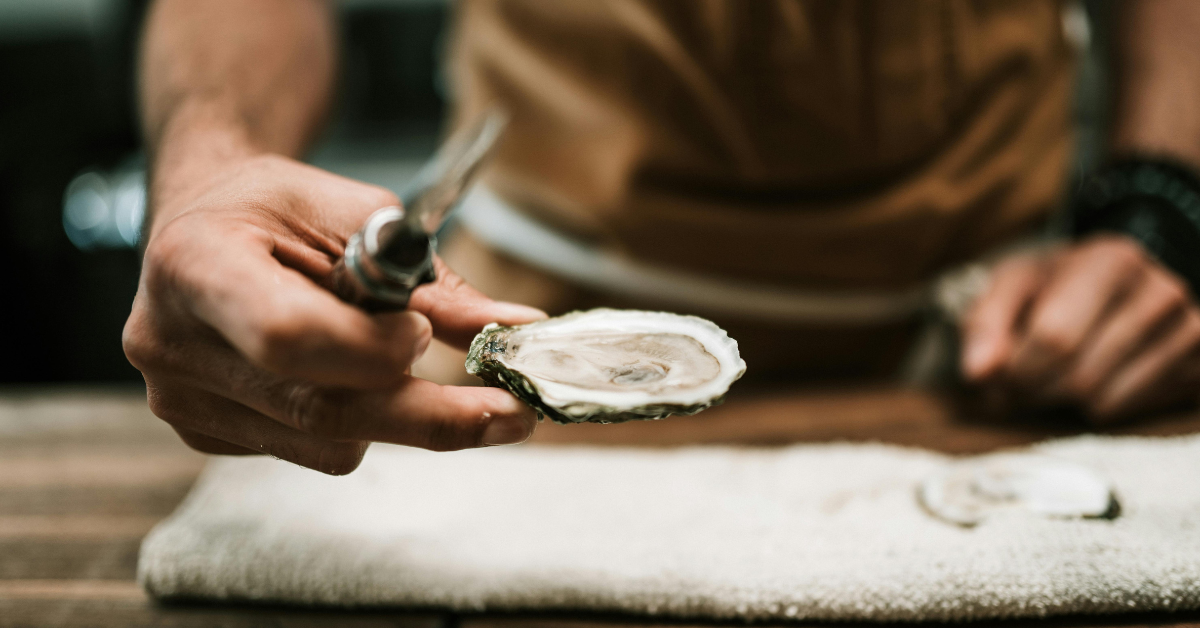
Shucking Excellence: Oysters are shucked to order by trained staff who understand proper technique. Each oyster is opened cleanly, with minimal shell debris, and presented at optimal temperature.
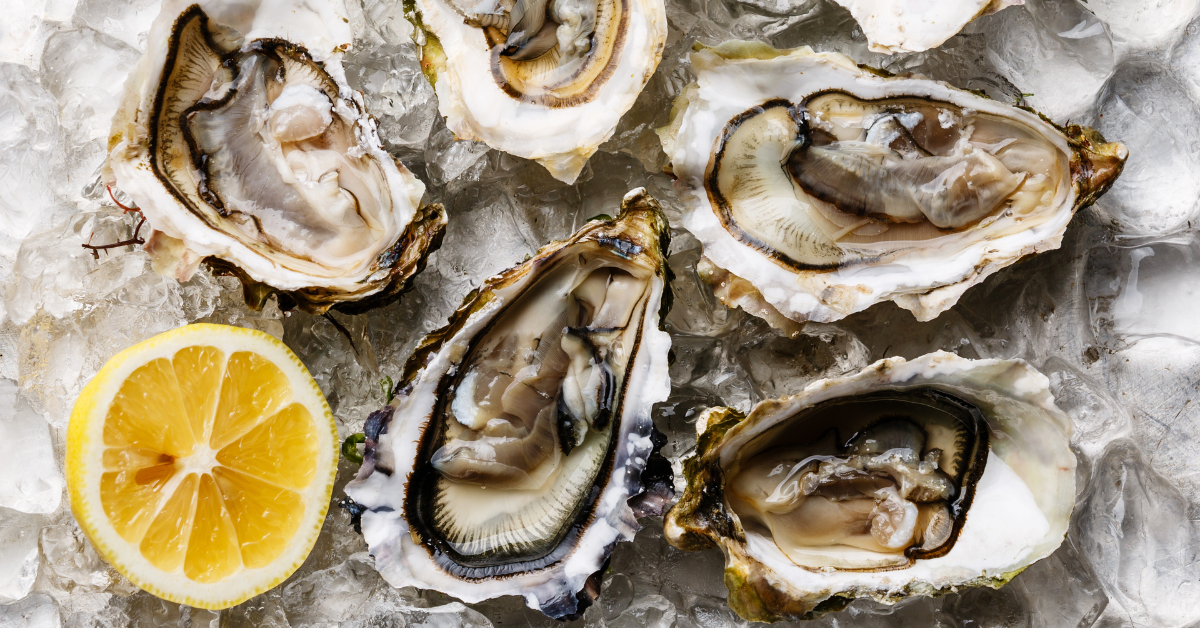
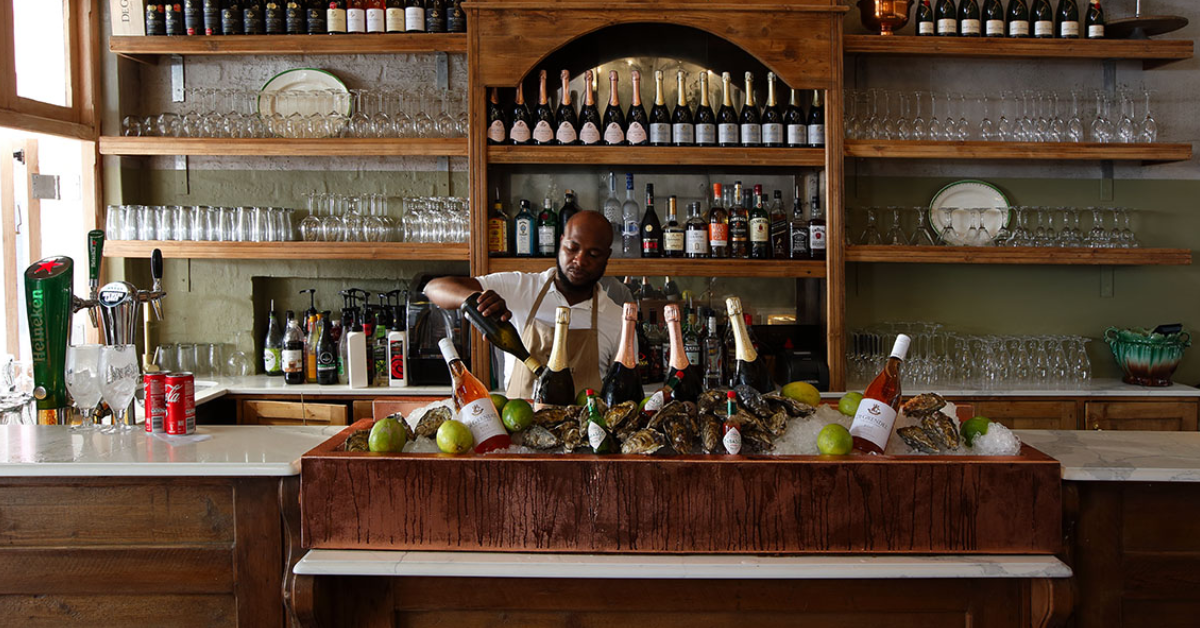
Presentation: Oysters are nestled on beds of ice, surrounded by appropriate accompaniments. The visual presentation—emphasizing the oyster's natural beauty—sets the tone for what follows.
Accompaniments: Simple, complementary options accompany oysters: fresh lemon, traditional mignonette sauce, and perhaps house-made cocktail sauces. Accompaniments enhance rather than mask oyster flavour.
Education and Engagement: Staff are trained to discuss oyster characteristics, recommend pairings, and engage guests in conversation about oyster sourcing and quality. This educational component transforms oyster consumption from passive to active engagement.
Timing and Rhythm: Service timing ensures oysters arrive at the table within minutes of shucking, maximizing freshness and optimal temperature.
Oyster Bar Experience: What to Expect
For those unfamiliar with oyster bar dining, understanding typical experiences helps you appreciate and enjoy the venue fully.
Arrival and Welcome
Quality oyster bars greet guests warmly and make comfortable accommodations. The initial experience often includes:
- Seating at a bar or intimate table with good views of service
- Menu presentation including oyster options, wine pairings, and complementary dishes
- Staff recommendations based on experience level and preferences
- Discussion of any oyster allergies or special requests
The Oyster Service
Once you've ordered oysters, the ritual begins:
Plate Preparation: Staff arrange a plate of crushed ice, positioning it perfectly for optimal presentation and temperature maintenance.
Shucking: Before your eyes, the oyster shucker opens each oyster cleanly, preserving the precious liquor inside. The shucking moment offers entertainment value and demonstrates the skill involved.
Presentation: Oysters nestle on ice, surrounded by lemon wedges and complementary sauces if desired.
Consumption: Lift the shell to your lips, slurp gently allowing the oyster and liquor to enter together, chew briefly to experience texture and flavour, and swallow.
Timing: Quality oyster service establishes a rhythm—oysters arrive in the sequence they were ordered, allowing you to enjoy each without waiting or being rushed.
Perfect Oyster Pairings
Oyster bars excel by offering perfectly complementary beverages and dishes.
Wine Pairings
Champagne and Sparkling Wines: The classic pairing, with bubbles and acidity cutting through oyster brininess beautifully. South African Méthode Champenoise wines offer excellent value and quality.
Crisp Whites: Sauvignon Blanc, Pinot Grigio, and Chablis provide ideal alternatives. South African Sauvignon Blancs from Constantia and Elgin regions are particularly excellent.
Lighter Reds: Some prefer light-bodied reds like Pinot Noir. While unconventional, well-chilled light reds can work remarkably well.
Local Cape Wines: South African winemakers have developed growing expertise with oyster pairings. Ask staff for local recommendations—many small producers create exceptional oyster wines.
Complementary Dishes
While oysters shine as the main event, complementary dishes enhance the experience:
Seafood Carpaccios and Ceviche: Light, fresh preparations that complement rather than compete with oyster brininess.
Smoked Fish and Caviar: Sophisticated accompaniments that enhance rather than overpower.
Charcuterie and Artisanal Cheeses: Textural contrast to oyster delicacy.
Grilled Oysters or Oyster Preparations: Some venues offer oysters prepared with butter, herbs, and light cooking—a different but equally valid oyster experience.
Bread and Oyster Crackers: Simple accompaniments that provide textural contrast without competing with flavours.
Tips for Oyster Bar Success
Whether visiting an oyster bar for the first time or as an experienced enthusiast, several practices enhance the experience.
Timing and Approach
Visit during peak hours: Oyster bars are most vibrant during lunch and dinner service when fresh oysters flow continuously and staff attention is optimal.
Arrive without excessive hunger: Oysters are elegant but not particularly filling. If extremely hungry, enjoy complementary dishes alongside rather than expecting oysters alone to satisfy substantial appetite.
Budget appropriately: Premium oysters at quality venues aren't inexpensive. Budget accordingly rather than being surprised by the check.
Ordering Strategy
Start with recommendations: Ask staff about their current favorite oyster selection. They'll direct you toward optimal choices.
Sample variety: If budget permits, try multiple sizes and preparations. The difference between Medium, Large, and XL provides educational value and helps you discover personal preferences.
Don't force oysters: If oysters don't appeal, that's perfectly acceptable. No obligation exists to enjoy foods that don't resonate with you.
Pace and Enjoyment
Slow down: Rushing oysters defeats the purpose. Invest time in savoring each one.
Notice the flavours: Fresh oysters offer subtle flavour variations. Pay attention to brininess, sweetness, metallic notes, and other flavour dimensions.
Engage with staff: Oyster bar staff typically possess genuine enthusiasm for their craft. Engaging them enriches the experience.
Experiment with accompaniments: Try oysters plain, with lemon, with mignonette, and with other options. Discover your preference.
Creating Oyster Bar Experiences at Home
Not all oyster dining needs to occur in professional venues. Creating oyster bar experiences at home offers intimacy and customization.
Essential Elements
Fresh oysters: Purchase from quality suppliers offering harvest-date documentation and next-day delivery.
Proper equipment: Obtain an oyster knife and protective gloves before attempting home shucking.
Ice and presentation: Arrange oysters on crushed ice on a chilled platter with lemon wedges and simple accompaniments.
Appropriate beverages: Chill quality sparkling wine, crisp white wine, or your preferred oyster pairing.
Comfortable setting: Create an intimate space—candlelight, good conversation companions, unhurried timing.
Creating the Experience
Shuck just before serving: The theatrical element of opening oysters fresh amplifies the experience.
Share with engaged company: Oysters taste better in good company. Invite people who appreciate quality food and savoring.
Provide education: Share information about oyster origins, cultivation, and characteristics.
Allow time: Unhurried consumption—perhaps one oyster every few minutes alongside conversation—creates optimal experience.
Beyond Oysters: Complementary Dining Experiences
While oysters are the primary focus, quality oyster venues often excel with complementary offerings.
Seafood Excellence
Oyster-focused venues typically source premium seafood broadly. Fresh fish, scallops, lobster, and other creatures from local waters represent natural complements to oyster service.
Kitchen Expertise
Kitchens focused on seafood and oysters typically demonstrate broader culinary excellence. Appetizers, primary courses, and desserts often showcase similar commitment to quality and simplicity.
Wine Program
Venues serious about oysters develop thoughtful wine programs reflecting local production and oyster compatibility. Wine directors can articulate why specific wines pair with specific oysters.
Service Philosophy
Oyster bars typically embrace hospitality that prioritizes guest comfort and education. This service philosophy extends beyond oysters to all aspects of the dining experience.
Seasonal Considerations for Oyster Dining
Oyster dining offers seasonal variations worth understanding.
Summer Oysters (December-February)
Warmer water temperatures create lighter oyster characteristics. Summer oysters often feature:
- Sweeter flavour profiles
- Lighter, more delicate texture
- Slightly less intense brininess
- More rapid growth rates
Many connoisseurs reserve oyster dining for cooler months when oysters develop richer character.
Winter Oysters (June-August)
Cold water temperatures create oyster meat density and complexity. Winter oysters typically feature:
- Richer, more complex flavour profiles
- Firmer meat texture
- More intense brininess
- Preparation for spawning increases meat content
Winter represents peak oyster season in many traditions. However, modern cultivation means quality oysters are available year-round.
Seasonal Spawning
Oyster reproduction cycles affect meat quality. Oysters preparing to spawn develop fuller meat; post-spawning oysters are thinner. Knowledgeable oyster venues factor spawning cycles into their sourcing and can discuss these variations intelligently.
The Future of Oyster Dining in Cape Town
Cape Town's oyster dining scene continues evolving, with several positive trends evident.
Sustainability Emphasis
Growing consumer interest in sustainable, responsibly-sourced seafood drives oyster venues toward transparent sourcing and environmental engagement.
Education and Engagement
Forward-thinking oyster venues increasingly invest in guest education—explaining cultivation, terroir, cooking techniques, and sustainability through interactive programming.
Local Pride
Recognition of South African oyster quality drives increased focus on local sourcing and storytelling. Venues celebrate South African farming heritage and excellence.
Innovation Within Tradition
While respecting oyster dining traditions, progressive venues experiment with preparations, pairings, and presentations that honor tradition while creating contemporary relevance.
Experience Cape Town's Finest Oysters
Discover the Knysna Oyster Company's acclaimed establishment at the V&A Waterfront, where generations of oyster farming expertise, premium sourcing, and commitment to excellence converge.
Reserve Your Table Today and experience oyster dining at its finest. Our oysters, sourced from family farms in Nelson Mandela Bay and served fresh daily, represent the pinnacle of South African oyster quality.
Can't make it to Cape Town? Order our fresh oysters online for next-day delivery throughout South Africa. Create your own oyster bar experience at home with oysters sourced from the same farms our restaurant features.
Conclusion
Cape Town's oyster bar scene, anchored by the Knysna Oyster Company's iconic V&A Waterfront venue, offers world-class oyster experiences reflecting South African excellence. Whether enjoying oysters in a sophisticated restaurant setting or creating intimate home experiences, Cape Town's access to pristine, farm-fresh oysters creates opportunities for culinary excellence. The combination of premium sourcing, service expertise, and ideal complementary beverages makes oyster dining in Cape Town an experience worth savoring—one that deepens appreciation for these remarkable creatures and the skilled farmers and hospitality professionals who bring them to your table.